In a world full of stuff, more people are choosing to live with less. Modern minimalist interior design focuses on simple spaces, clean lines, and only keeping what you need. But does this style match how you live?
Understanding what minimalism offers can help you decide if it’s the right choice for your home.
What Is Modern Minimalist Interior Design?
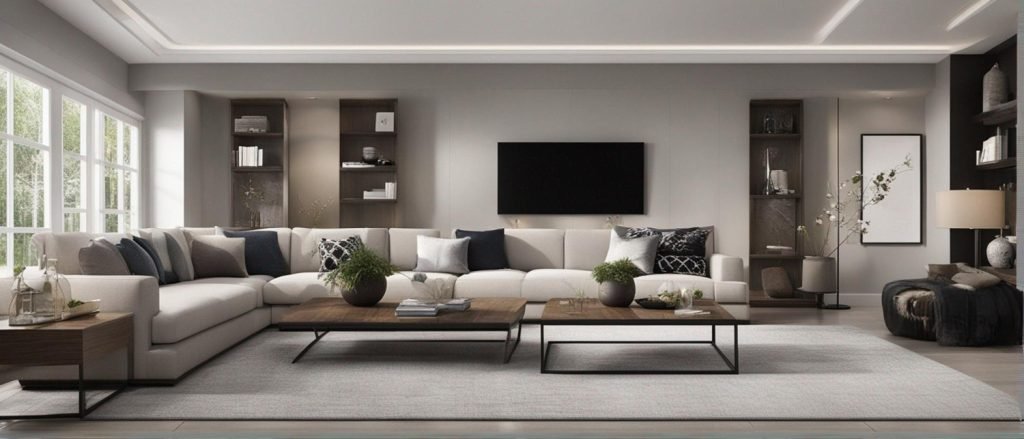
Modern minimalist design strips away the extra and keeps only what matters. It’s about creating spaces that feel open, calm, and purposeful without unnecessary items filling every corner.
Core Principles and Characteristics
Minimalist design follows a few basic ideas that shape how spaces look and feel. These principles work together to create rooms that are both practical and peaceful.
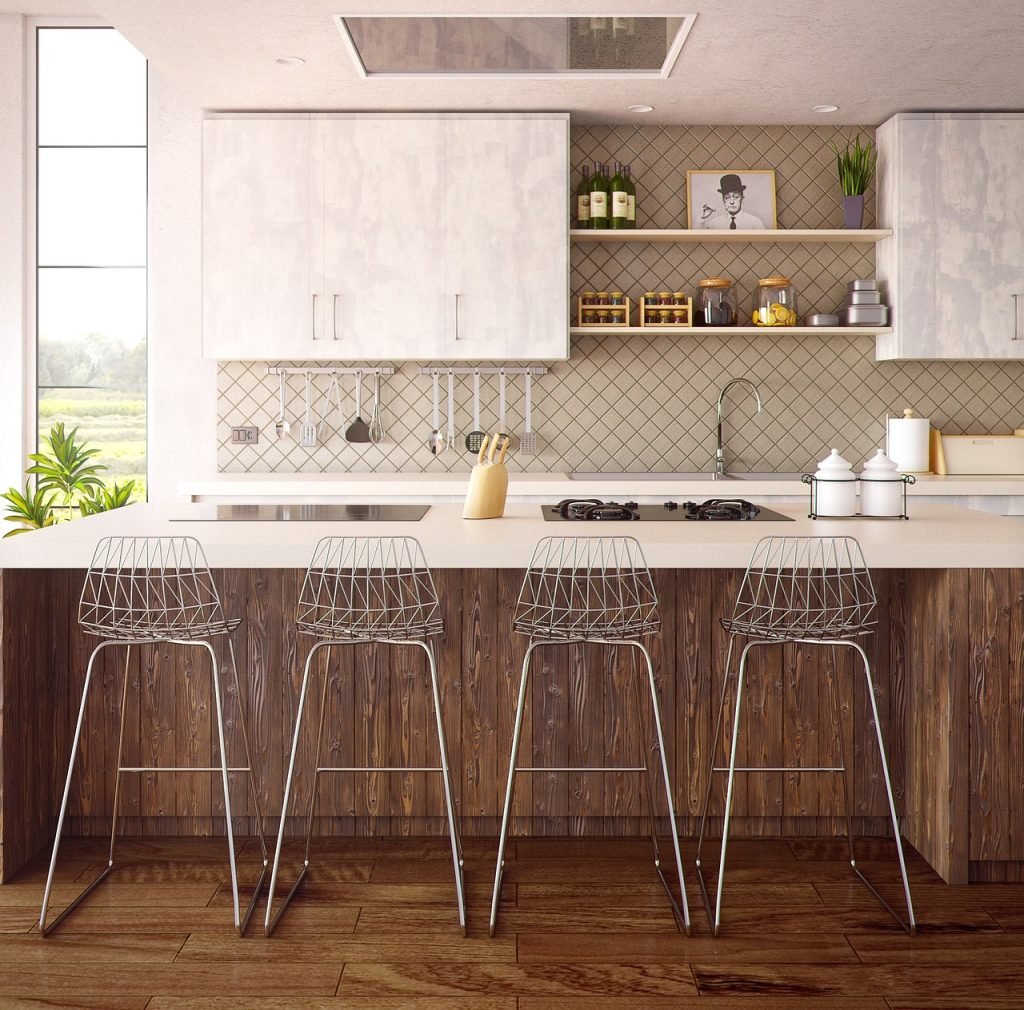
- Clean lines, neutral colour palettes, and uncluttered spaces – Think white walls, simple furniture shapes, and open floors
- Emphasis on functionality over decoration – Every piece should do something useful, not just sit there.
- Quality over quantity approach – Buy one great couch instead of filling the room with cheap furniture
The goal is to make your space work for you without visual chaos getting in the way.
Why It Matters Today
Our lives are busier and more crowded than ever before. We’re surrounded by constant notifications, overflowing closets, and rooms packed with things we rarely use. Minimalist design pushes back against this mess by creating homes that feel like a breath of fresh air.
This style also connects with people who care about the environment. Buying less means wasting less. It encourages you to choose items that last instead of cheap stuff you’ll throw away next year. For many, minimalism isn’t just about looks—it’s about living with intention.
Key Benefits of Minimalist Interior Design
Choosing a minimalist design isn’t just about following a trend. It brings real advantages that can improve your daily life and make your Kaasa home easier to manage.
- Reduced stress and mental clarity – Clean, organised spaces help your brain relax. When there’s less visual noise around you, it’s easier to focus and feel calm.
- Easier maintenance – Fewer things mean less to clean, dust, and put away. You’ll spend less time doing chores and more time enjoying your home.
- Cost-effectiveness – Instead of buying lots of cheap items, you invest in a few quality pieces that last longer and look better.
- Versatility – Simple, classic designs don’t go out of style. Your space will still look good years from now without expensive updates.
- Enhanced functionality – When everything has a purpose, your home works better. No more digging through junk drawers or tripping over random objects.
These benefits add up to a Kaasa home that supports you instead of stressing you out.
Is Minimalism Right for Your Lifestyle?
Minimalist design works great for some people but feels too bare for others. Think about your daily habits and what makes you comfortable before making big changes.
When Minimalist Design Works Best
Small apartments and tiny homes benefit most from minimalist principles. When you don’t have much space, every item counts. Getting rid of clutter makes rooms feel bigger and more open. People living in studios or bedroom apartments often find that less furniture actually gives them more room to move around.
Busy professionals also appreciate minimalism’s low-maintenance approach. If you’re rarely home or don’t want to spend weekends cleaning and organising, simple spaces are easier to keep tidy. This style also suits people going through life changes like downsizing after kids leave home or moving to a new city. Starting fresh with less stuff can feel freeing.
When It Might Not Fit
If you collect things like books, vinyl records, or art, minimalism might feel too limiting. Collectors need space to show off what they love, and hiding everything away defeats the purpose. Large families with kids, pets, and lots of activities also struggle with strict minimalism because they simply need more storage for everyone’s gear.
Some people just prefer rooms with more personality and colour. If you love bold patterns, lots of decorations, and spaces that feel full of life, pure minimalism might make you feel uncomfortable in your own home. There’s nothing wrong with needing visual interest and variety around you—it’s just a different way of living.
Getting Started with Minimalist Interior Design
Ready to try minimalism? Start small and work slowly. Changing your whole house overnight usually leads to regret and wasted money.
Practical First Steps
Begin by looking at your space with fresh eyes and deciding what really needs to be there.
- Declutter room by room with intentional editing – Ask yourself if each item is useful or brings you joy. Donate or sell the rest.
- Choose a neutral colour foundation – Whites, greys, beiges, and soft earth tones create a calm backdrop.
- Invest in multifunctional furniture – Storage ottomans, fold-out desks, and beds with drawers underneath save space.
- Focus on quality lighting and natural elements – Good lamps, plants, and wood textures add warmth without clutter.r
Take your time with these changes. You don’t need to finish everything in a week.
Common Mistakes to Avoid
Many people make their spaces too cold when trying minimalism. A room can be simple without feeling like a hospital waiting room.
- Creating cold, sterile spaces lacking personality – Add warmth with textured blankets, plants, or a few meaningfulphotost.
- Ignoring texture and warmth in pursuit of simplicity – Mix materials like wood, linen, and metal to keep spacesinterestings.ting
Balance is key. Minimalism should make your life better, not make you uncomfortable.
Conclusion
Minimalist interior design offers clear benefits: less stress, easier upkeep, and homes that support intentional living. But it’s not for everyone, and that’s okay.
The best design style is one that matches your values and works with your daily routine. Think about how you actually use your space before committing to major changes. Your home should help you live the life you want, not force you into someone else’s idea of perfect.